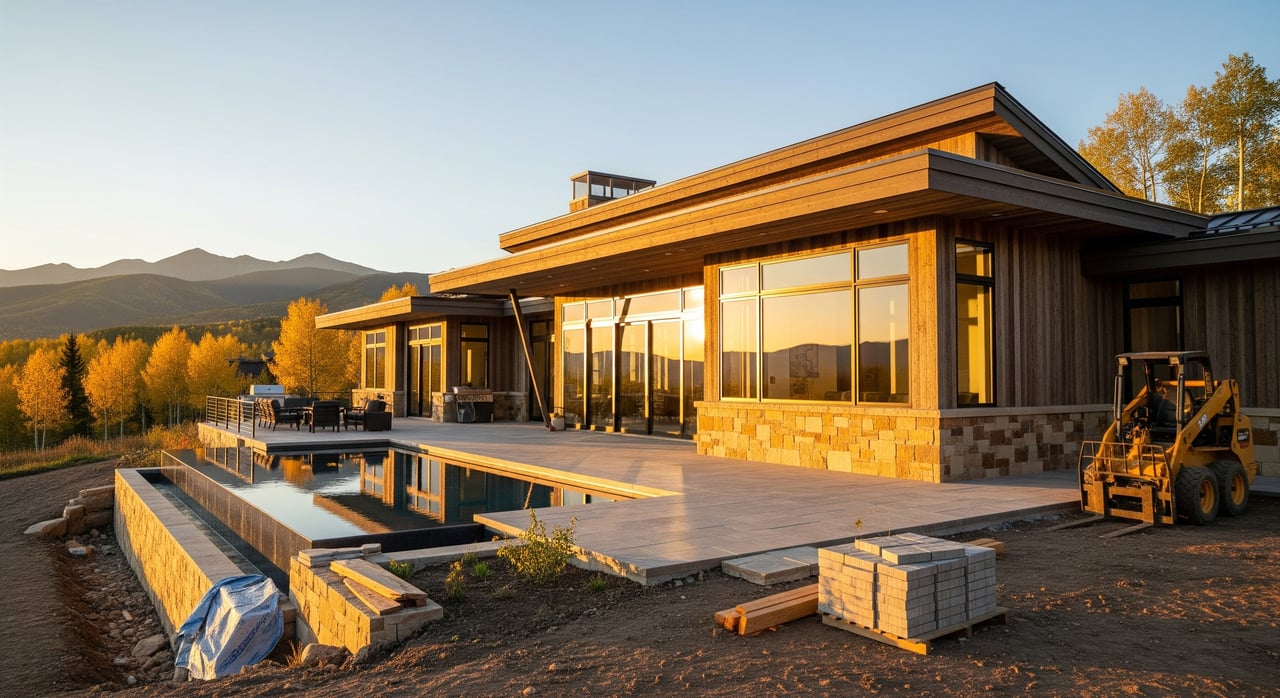
Thinking about building a custom home in Denver but unsure how to finance it? You are not alone. Construction-to-permanent financing can feel complex, especially with infill projects in places like Cherry Creek. In this guide, you will learn how these loans work, how draws and interest are handled, realistic timelines around Denver permitting, and what to prepare so your project stays on track. Let’s dive in.
Construction-to-perm basics in Denver
A construction-to-permanent loan, often called a single-close loan, combines your short-term construction financing and your long-term mortgage into one loan and one closing. During construction you typically pay interest only on the funds that have been drawn. After final inspections and a certificate of occupancy, the loan converts to a standard mortgage without a second closing in many cases.
You can also pursue a two-close route with a separate construction loan and a separate long-term mortgage. That approach means two settlements and two sets of underwriting. Most Denver custom-home clients choose a single-close structure to simplify the process and reduce requalification risk.
Why Denver buyers choose C-to-P
Custom builds in Denver’s infill neighborhoods, including Cherry Creek, benefit from a single-close loan because it:
- Aligns financing with your builder contract and construction schedule.
- Locks in permanent financing terms at the outset or coordinates a clear path to conversion.
- Reduces the number of closings and the risk of changes in lending conditions mid-build.
Product types vary by lender. You will see conventional options that follow investor guidelines, along with FHA and VA one-time-close programs for eligible borrowers. Availability and terms differ, so ask lenders specifically about single-close construction loans.
How funding and draws work
The lender approves your total construction budget and the permanent mortgage based on plans, specifications, and an as-completed appraisal. After you close, the lender funds a construction account and releases money to the builder in stages as work is completed.
Typical draw stages
Percentages vary by lender and builder, but a custom-home draw schedule often looks like this:
- Initial mobilization, permit footing, and foundation start: 10 to 15 percent
- Foundation and slab completion: 10 to 15 percent
- Framing and shell: 20 to 25 percent
- Rough-in for plumbing, HVAC, and electrical: 10 to 15 percent
- Exterior envelope, windows, and roofing: 10 to 20 percent
- Interior finishes, trim, cabinets, flooring: 20 to 30 percent
- Final punch list, certificate of occupancy, final payment: 5 to 10 percent
Before each draw, the lender typically orders a third-party inspection to confirm progress. Builders usually provide conditional lien waivers with each draw and unconditional waivers at the end. Many lenders also hold a small retention or contingency until final completion.
Interest during construction
You generally pay interest only on the outstanding draws, not on the full loan amount. Rates during construction are often variable. Some lenders allow you to lock the permanent rate at application, while others lock only at conversion. In some cases, an interest reserve can be built into the loan so the interest is paid from loan funds during the build rather than out of pocket each month.
Down payment, limits, and rates
Lenders evaluate both cost and value to set your loan amount and terms:
- Loan-to-Cost (LTC). This compares the loan to the total project cost. Many products cap LTC around 80 to 90 percent, which means you should expect to bring equity. Owning the lot free and clear can help your equity position.
- Loan-to-Value (LTV). The permanent mortgage is based on the as-completed appraisal. If the appraisal is lower than expected, your maximum loan amount may drop.
- Down payment. Conventional single-close loans commonly require 10 to 25 percent down, depending on LTV, LTC, and overlays. Government programs may allow lower upfront cash but have additional requirements.
- Rate locks. If you want a permanent rate locked early, ask about lock duration and costs. Policies vary by lender and product.
Real timeline for Denver custom builds
Custom infill projects in Cherry Creek and nearby neighborhoods move through design, underwriting, permitting, and construction before conversion to a permanent mortgage. A practical range from application to conversion is 6 to 18 months, with many projects landing around 9 to 12 months if there are no major delays.
Step-by-step timing
- Pre-approval and lender selection: 1 to 3 weeks. Prioritize lenders with active construction-to-permanent programs.
- Final architectural plans and specs: 4 to 12+ weeks. Design choices and structural details can extend this phase.
- Lender underwriting and as-completed appraisal: 2 to 6 weeks. Lenders review your plans, budget, builder contract, and order the appraisal.
- City and County of Denver permitting: 4 to 12+ weeks. Complex infill, neighborhood design reviews, and utility coordination can add time.
- Construction period: 6 to 12 months for a typical custom home. Larger or more complex homes can take longer.
- Draws and inspections: usually monthly, tied to milestones and paperwork.
- Conversion to permanent mortgage: 1 to 2 weeks after final inspection and certificate of occupancy, assuming conditions are cleared.
What can extend the timeline
- Design review in neighborhoods with stricter exterior standards.
- Utility coordination with Denver Water, Xcel Energy, and Public Works.
- Site challenges such as grading, soil remediation, or tree preservation.
- Builder backlogs during busy seasons.
- Change orders added mid-construction.
Lender, appraiser, and builder coordination
Clear roles and frequent communication reduce delays and rework.
Who handles what
- Borrower. Choose the lender and builder, sign contracts, and provide financial documentation.
- Builder or design-build partner. Deliver a detailed budget, schedule of values, license and insurance, and manage construction.
- Lender. Underwrite the loan, order the appraisal and inspections, and handle draw disbursements.
- Appraiser. Provide the as-completed valuation that supports the permanent mortgage.
- City inspectors. Review plans for code compliance and issue permits and inspections.
Best practices for smooth draws
- Use one shared, detailed budget that matches the lender’s draw schedule.
- Define draw triggers and inspection requirements in the builder contract.
- Build in a 5 to 10 percent contingency line item and document proof of funds.
- Select the third-party draw inspection vendor before closing to avoid scheduling gaps.
- Provide monthly progress photos, invoices, and lien waivers on a set cadence.
- Set a clear change-order process that tracks approvals, costs, and funding impact.
- Confirm the lender’s builder approval requirements early.
- Discuss rate lock options and dates before you close.
Your document checklist
Prepare key documents early to accelerate underwriting and permitting.
Financial and identity
- Government-issued ID and Social Security numbers
- Two years of tax returns, including business returns if applicable
- Recent pay stubs and employer contact
- W-2s, 1099s, and K-1s as applicable
- Bank statements and proof of reserves
- Documentation of down payment source and any gift letters
- Credit authorization
Property, plans, and project
- Lot deed or purchase contract
- Full architectural and engineered plans
- Detailed specifications for materials and finishes
- Complete budget and schedule of values
- Signed construction contract with price structure, schedule, warranties, and insurance
- Builder license, general liability, builder’s risk, and workers’ comp certificates
- Builder references and portfolio if requested by the lender
- Soil report and survey if available
- Any HOA covenants and design guidelines that apply
- Permit applications or permit set when ready
Lender and closing
- Title report and title insurance commitment
- Proposed draw schedule and selected inspection company
- Appraisal order authorization
- Evidence of contingency funds
- Any special reports required by the lender
Local Denver items
- City of Denver permit set and any required neighborhood design approvals
- Utility tap and impact fee estimates and agreements
- Tree preservation or arborist reports if required
- Site survey showing easements, alley access, and setbacks common to infill lots
Managing risks and change orders
Even well-planned projects can face surprises. Here is how to protect your budget and schedule.
- Appraisal variance. If the as-completed appraisal comes in lower than projected, the maximum loan amount may drop. Be ready to adjust scope or bring additional equity.
- Cost overruns. Lenders usually require the borrower to cover costs beyond the approved budget and contingency. Major overruns can delay draws until funding is resolved.
- Builder performance. Vet your builder, confirm licensing and insurance, and consider contract protections. Lenders may hold retentions to cover punch list items.
- Red flags. Avoid vague plans, incomplete specifications, weak budgets, unclear draw schedules, or missing lien waiver processes. These are common causes of delays and disputes.
How design-build streamlines financing
A disciplined design-build process reduces friction with your lender and appraiser. When your builder provides a clear schedule of values, defined draw triggers, and consistent documentation, underwriting is faster and draw reviews move cleanly. Regular progress photos, timely lien waivers, and a clean change-order trail also help your lender release funds without delay.
With an integrated partner, you gain one accountable team guiding design decisions, aligning the budget with market-resale expectations, and sequencing permitting, construction, and inspections. That coordination is especially helpful for Cherry Creek infill, where site logistics, utility coordination, and neighborhood design standards can affect both timeline and valuation.
If you want a practical path from concept to certificate of occupancy, it starts with a realistic budget, complete plans, and a lender experienced in construction-to-permanent loans. Pair that with a builder who is prepared for lender oversight, and the process becomes much more predictable.
Ready to plan your Denver custom build with clarity and confidence? Let’s talk about scope, budget, and a clean draw strategy that fits your goals. Connect with Tuck Development (Stephen Tuck) to schedule a project consultation.
FAQs
What is a construction-to-permanent loan?
- It is a single-close loan that funds construction with interest-only payments, then converts to a long-term mortgage after final inspections and occupancy.
How do draw inspections work in Denver?
- The lender orders inspections at each milestone to confirm percent complete before releasing funds, and builders provide lien waivers with each draw.
What down payment is typical for C-to-P in Denver?
- Conventional programs often require 10 to 25 percent, subject to loan-to-cost, loan-to-value, lender overlays, and whether you own the lot.
How long from application to permanent mortgage?
- A practical range is 6 to 18 months, with many projects finishing in 9 to 12 months depending on design, permitting, and construction pace.
Can I lock my permanent interest rate at the start?
- Some lenders offer early locks that cover conversion, while others lock only at conversion; ask about lock length and fees before you close.
What if the appraisal is lower than expected?
- A lower as-completed value reduces the maximum permanent loan amount, so you may need to add equity or adjust the project scope.
What happens if costs run over budget?
- Lenders typically require borrower funds to cover overruns beyond contingency, and significant gaps can pause draws until resolved.
Do I make payments during construction?
- You usually pay interest only on the amount drawn, and some loans include an interest reserve that covers these payments during the build.